
Understanding a cadastral survey document is important if you’re buying land, building, or verifying boundaries. At first glance these plans can look technical, but once you know what the key parts mean, they become much easier to read.
Below is a practical guide to help you interpret a typical cadastral survey.
1. Identify the Property Boundaries
The first thing to locate on a survey plan is the boundary of the land parcel.
Look for:
- Bold boundary lines marking the property edges
- Lot number or parcel number identifying the land
- Neighboring parcels around the property
These lines define the legal limits of the property. Everything inside them belongs to the land parcel being described.
2. Understand Bearings and Distances
Each boundary line usually has two pieces of information: distance and bearing. Distance shows the length of that boundary segment. for example: 35.60 m. Bearing describes the direction of the line relative to north. For example: N 45°30' E. Together they define the exact shape of the land parcel.
3. Locate Survey Monuments or Boundary Markers
The corners of the property are often marked with survey monuments. Common symbols on survey plans include: Iron rods or pins, Concrete monuments and Survey pegs. These markers physically show where the legal boundary corners are located on the ground.
4. Review Coordinates and Reference Points
Modern survey plans often include coordinates tied to national mapping systems. You may see: Easting and Northing values, grid references, and control points. These allow surveyors to locate the property precisely using GPS or total station equipment. Also look for the north arrow, which shows orientation.
5. Check the Area of the Land
Every cadastral plan will show the total area of the property. This may be expressed in: square meters, hectares, square feet, or acres. The area helps confirm that the parcel matches the legal description in the title or deed.
6. Identify Easements and Rights-of-Way
Some survey plans show areas that others are allowed to use. These may include: road access rights-of-way, utility easements, and drainage corridors. These areas may restrict how you can build or develop the land.
7. Read the Surveyor’s Certification
A legitimate cadastral survey includes a professional certification. Look for: the surveyor’s name and license number, signature and seal, and date of the survey. This confirms that the plan was prepared by a qualified survey professional and can be used for legal or planning purposes.
Practical Tips When Reviewing a Survey Plan
When examining a cadastral document, always verify:
✔ property boundaries match what you expect
✔ lot size matches your deed or title
✔ no structures cross the boundary
✔ easements do not restrict planned construction
✔ survey certification is present
If anything appears unclear, a surveyor can explain the document and even locate the boundary markers on the ground.
💡 Important insight
A cadastral survey is not just a drawing—it is a legal document defining property ownership and boundaries. Understanding it helps prevent disputes, guide construction, and ensure you fully understand the land you are buying or developing.
MORE ARTICLES
-
How Long Does a Survey Typically Take?
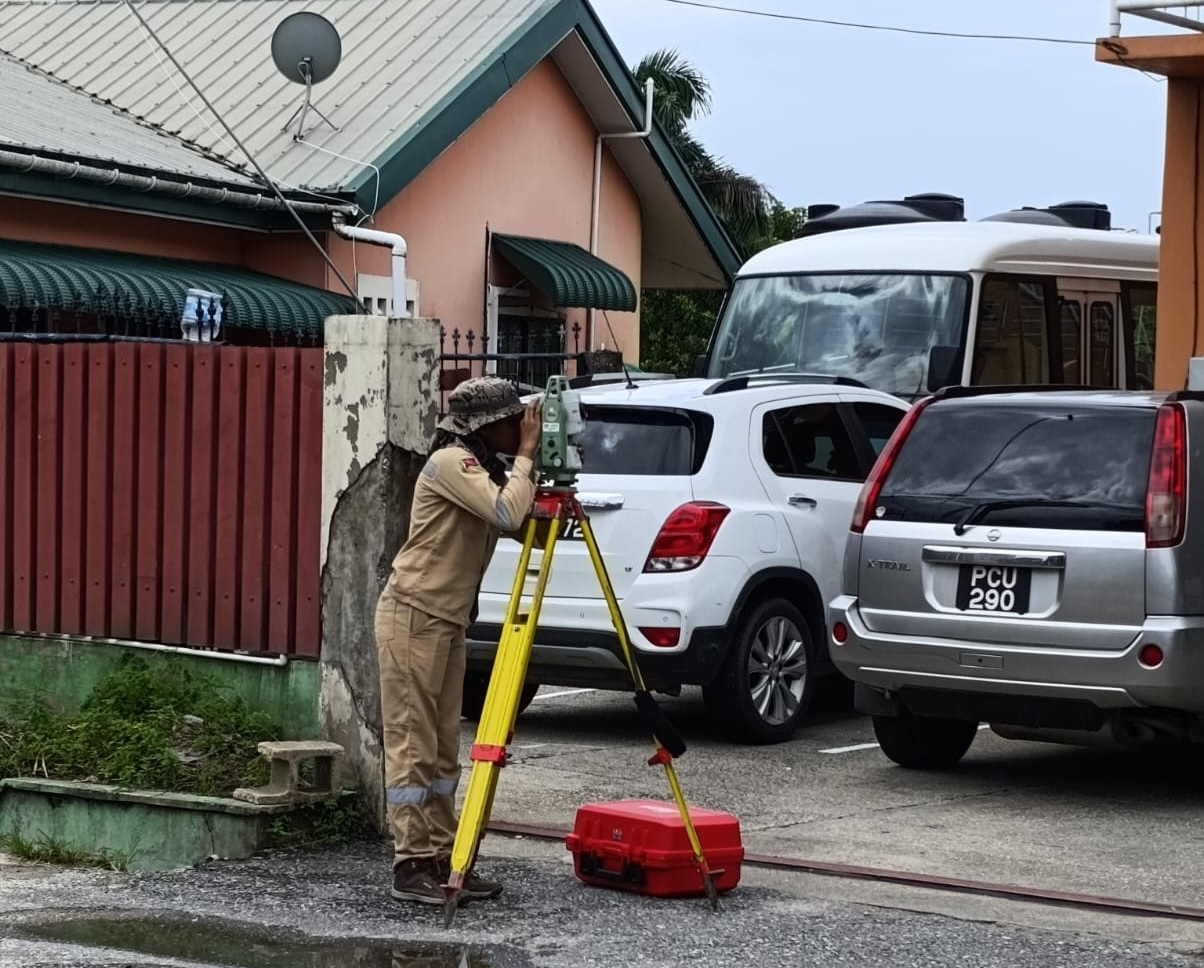
How long a survey takes depends mainly on what is being surveyed, the size of the land, and the type of survey required. But I’ll give you realistic ranges so you know what to expect. 1. Boundary Survey (Most Common for Property) Typical time on site:⏱ 1–4 hours for a normal residential lot. Total time…
-
What Information Do I Need to Provide for a Successful Land Survey?

When embarking on a land survey, providing the right information is crucial to ensure accuracy and efficiency. Whether you are a property owner preparing for a new construction project, a developer planning a subdivision, or a buyer assessing a potential investment, the success of the survey hinges on the details you supply. A well-executed land…
-
Land for Sale – Prime Residential Parcel
Note: This is a sample land sale advertisement template. Location – e.g., Santa Cruz, Trinidad Property Overview A well-positioned parcel of land located in [community/location], offering excellent potential for residential or investment development. The property has been professionally surveyed, providing clear boundary information and accurate measurements for prospective buyers. This parcel presents an ideal opportunity…
-
What is Cadastral Surveying and How Can It Benefit My Property?
This article delves into the foundational principles of cadastral surveying, highlighting its significance for property owners and developers, and exploring the myriad benefits it can provide. By illuminating the essential role of cadastral surveys, we aim to equip readers with the knowledge necessary to maximize the value and potential of their properties. What is Cadastral…
-
Why Advertising Your Land or Building on ARA Land Services Website is a Good Idea
Selling land or property is not just about putting up a listing—it’s about getting the right information in front of the right buyers. This website provides a specialized platform where buyers, developers, and investors actively look for accurate property data before making decisions. If you want to attract serious buyers and present your property professionally,…