
If you’re planning to build in Trinidad and Tobago, understanding the approval process before construction begins is extremely important. Many projects get delayed because owners start designing or building before completing the necessary steps.
Below is the typical step-by-step process from buying land to getting permission to build.
1. Verify Ownership and Land Title
Before anything else, confirm that the land has clear legal ownership. Important checks include:
- verifying the deed or certificate of title
- confirming the parcel description matches the land
- checking for easements or rights-of-way
This step is often handled with the help of a lawyer.
2. Obtain or Verify a Survey Plan
A licensed land surveyor prepares or verifies the cadastral survey of the property. The survey plan will show: property boundaries, dimensions and area, neighboring parcels, and road access. This plan is usually required for planning approval and building design.
3. Check Zoning and Planning Restrictions
Before designing a building, verify zoning regulations with the Town and Country Planning Division. This determines: whether the land is residential, agricultural, or commercial, allowable building height and density, and required building setbacks. Confirming this early prevents designing a building that cannot be approved.
4. Prepare Architectural and Engineering Plans
Once zoning and boundaries are confirmed, professionals prepare:
- architectural drawings
- structural engineering plans
- site layout plans
- drainage designs
These plans must comply with local building regulations.
5. Apply for Planning Permission
Plans are submitted to the Town and Country Planning Division. They review: zoning compliance, site access, drainage impact, and neighborhood compatibility. If the development is large or environmentally sensitive, the Environmental Management Authority may require environmental approval.
6. Obtain Local Building Approvals
After planning permission, additional approvals may be required from the local municipal corporation. They may review: structural safety, sanitation and drainage systems, water and utility connections, and Inspections may occur during construction.
7. Begin Construction
Once approvals are granted, construction can begin.Bef ore building starts, a surveyor may also perform a construction layout survey, marking: building corners, foundation positions, and setback lines. This ensures the structure is built in the correct location.
Typical Timeline (Approximate)
| Step | Estimated Time |
|---|---|
| Title verification | 1–2 weeks |
| Survey plan preparation | 1–2 weeks |
| Architectural design | 2–4 weeks |
| Planning approval | 2–6 months |
| Building approvals | 2–4 weeks |
Planning approval is usually the longest stage.
Practical Advice
Before investing in building plans, it is wise to confirm:
✔ road access exists
✔ drainage is adequate
✔ zoning allows the development
✔ the survey plan is accurate
✔ planning permission is likely to be granted
Doing these checks early can prevent costly redesigns or project delays.
💡 One key insight many people overlook:
The most successful building projects start with good site information—accurate surveys, zoning checks, and planning approval—before any construction begins.
MORE ARTICLES
-
Approval Process Before Construction in TT

If you’re planning to build in Trinidad and Tobago, understanding the approval process before construction begins is extremely important. Many projects get delayed because owners start designing or building before completing the necessary steps. Below is the typical step-by-step process from buying land to getting permission to build. 1. Verify Ownership and Land Title Before…
-
Five Hidden Issues That Can Prevent Approval from Town and Country Planning
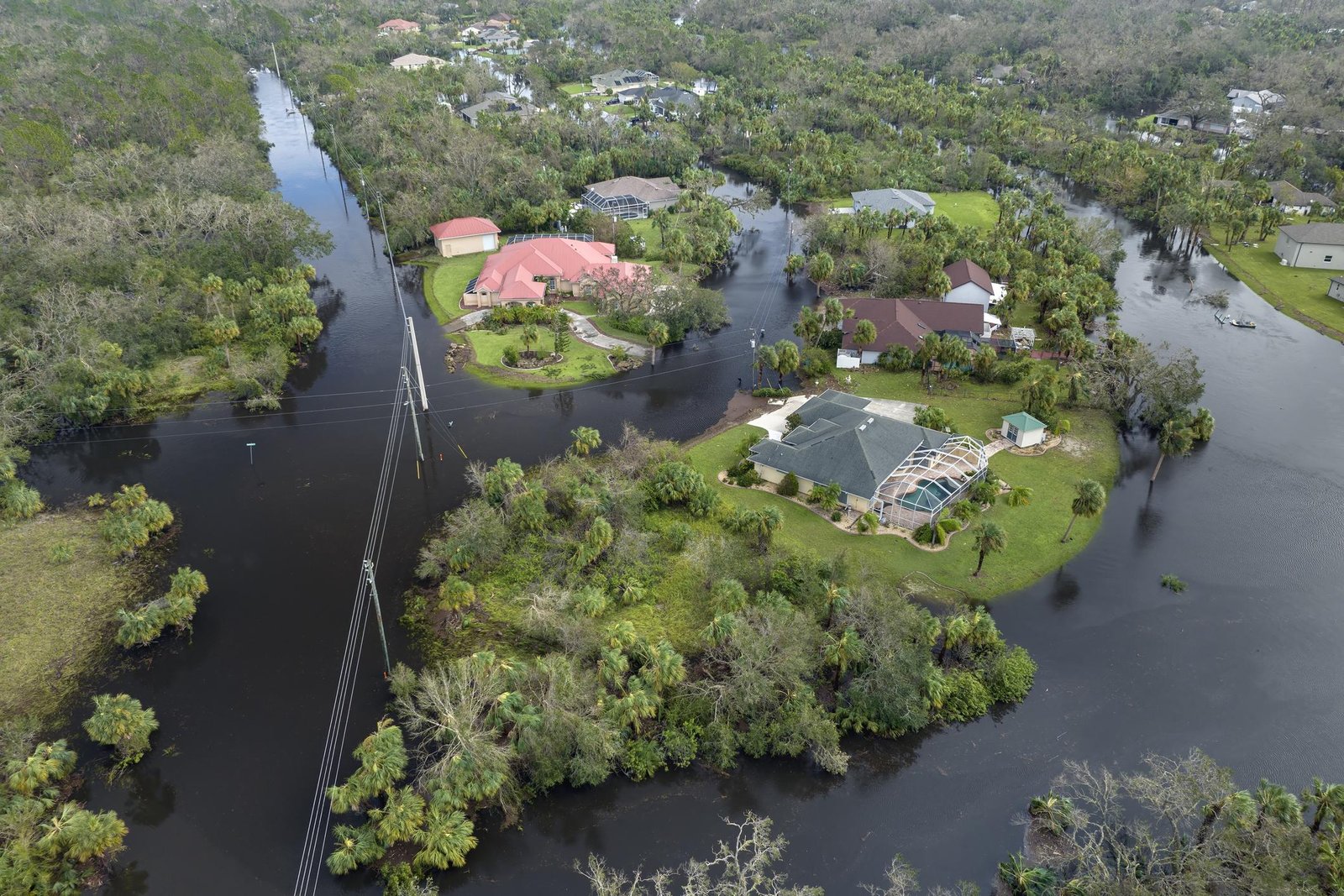
Many landowners in Trinidad believe that once they own a parcel of land, they can immediately start building. In reality, several hidden issues can prevent you from getting approval from the Town and Country Planning Division or other authorities. Knowing these problems early can save months of delays and significant expense. 1. No Legal Road…
-
Building Regulations in Trinidad and Tobago
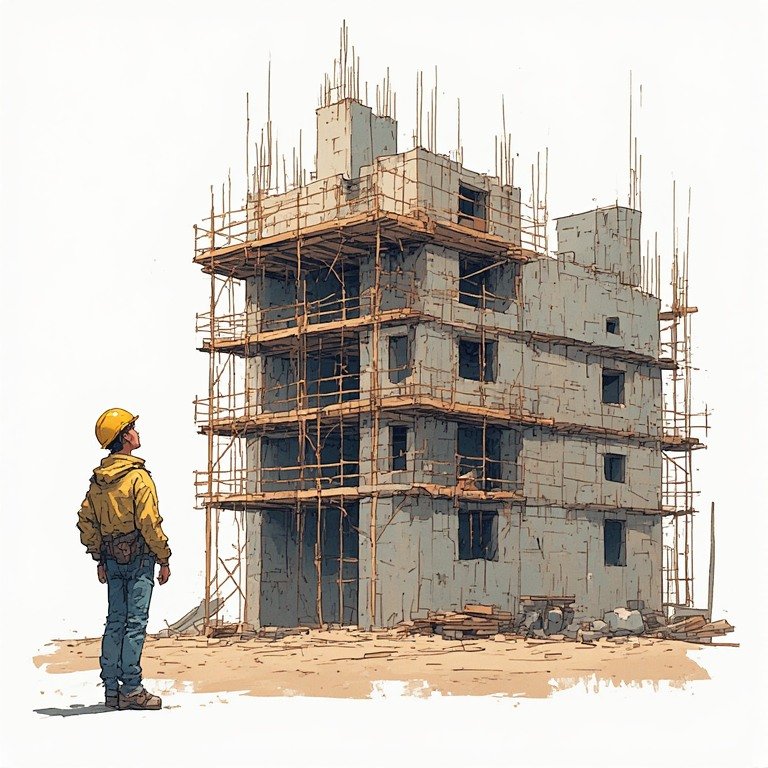
Building in Trinidad and Tobago is regulated mainly through planning approvals, zoning rules, building codes, and environmental regulations. Before constructing a house or commercial building, approvals are usually required from agencies such as the Town and Country Planning Division (TCPD) and sometimes the Environmental Management Authority (EMA). Below are the most common restrictions you should…
-
Key Components Every Land Purchaser Should Understand About a Cadastral Survey

Understanding a cadastral survey document is important if you’re buying land, building, or verifying boundaries. At first glance these plans can look technical, but once you know what the key parts mean, they become much easier to read. Below is a practical guide to help you interpret a typical cadastral survey. 1. Identify the Property…
-
How Can The Same Piece Of Land Have Two Different Boundary Positions
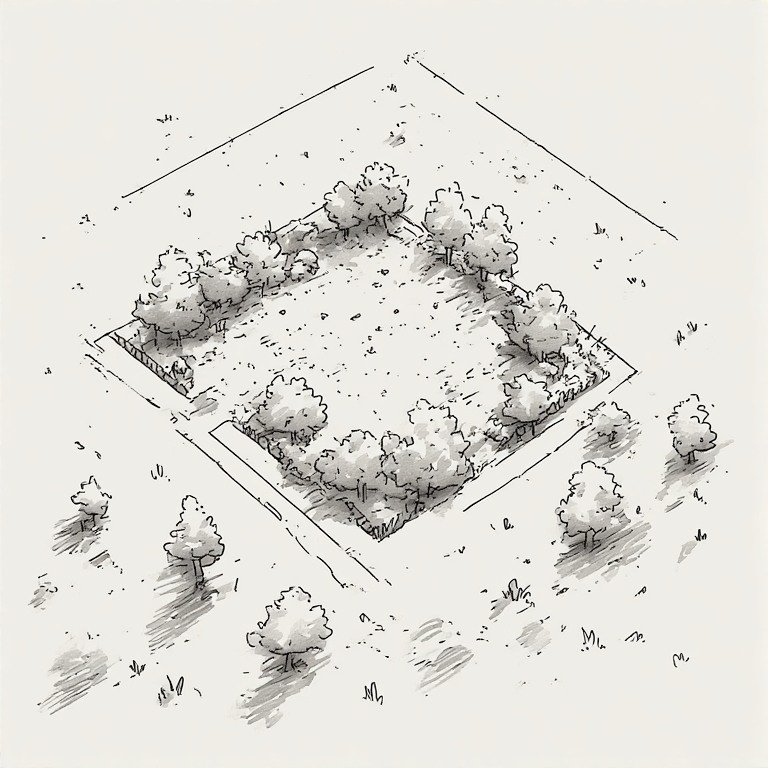
Two professional surveyors can measure the same piece of land and still produce slightly different boundary positions, even when both are technically correct. That surprises many property owners, but it happens because surveying is not just measurement—it is also legal interpretation of historical evidence. Here are the main reasons. 1. Old Surveys Were Not As…