Many landowners in Trinidad believe that once they own a parcel of land, they can immediately start building. In reality, several hidden issues can prevent you from getting approval from the Town and Country Planning Division or other authorities. Knowing these problems early can save months of delays and significant expense.
1. No Legal Road Access
One of the most common issues is landlocked property. Planning authorities normally require that land has legal road frontage or an approved right-of-way. Without this, it can be difficult to approve a building because:
- emergency services must be able to access the property
- utilities must reach the site
- proper traffic access must exist
Sometimes a registered right-of-way across neighboring land can solve the problem.
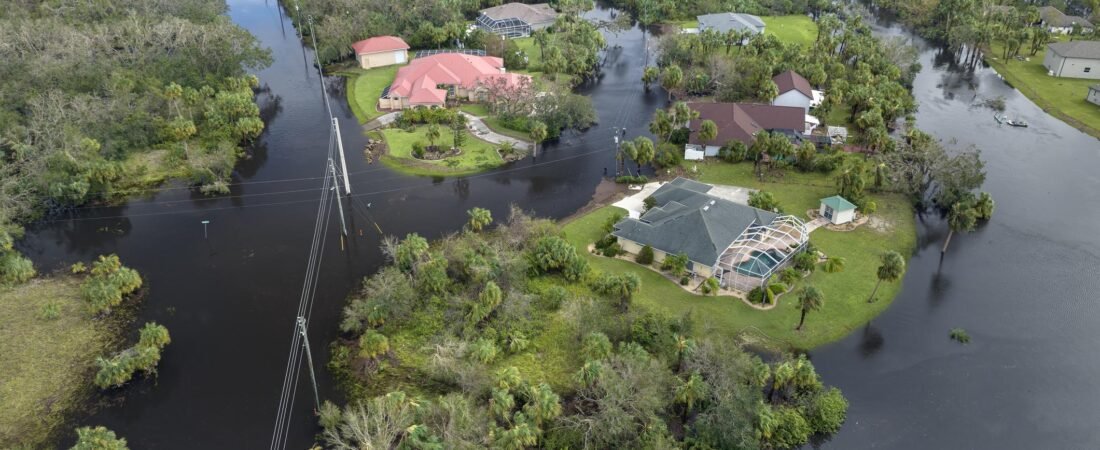
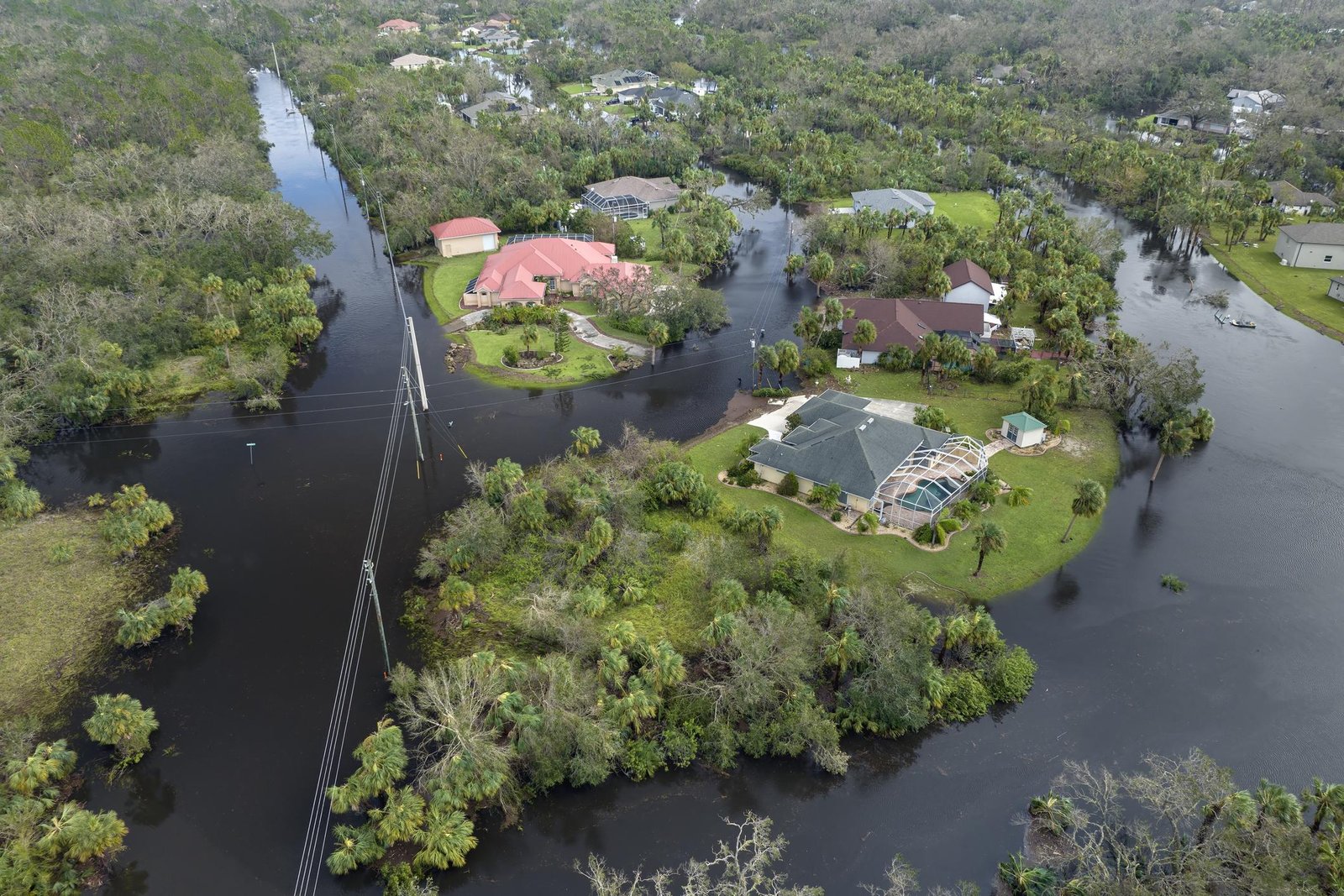
2. Poor Drainage or Flood Risk
Some parcels are located in areas that flood or have poor drainage. Authorities may refuse building permission if the land: lies in a floodplain, blocks natural drainage channels, and lacks proper stormwater management. Developers may need to install drainage systems, culverts, or raised foundations before approval is granted.
3. Agricultural Zoning Restrictions
Some land in Trinidad is zoned primarily for agriculture. If land falls within agricultural zoning, there may be limits on: number of houses allowed, density of development, and commercial activities. Changing the land use may require special approval from the Town and Country Planning Division.
4. Environmental Restrictions
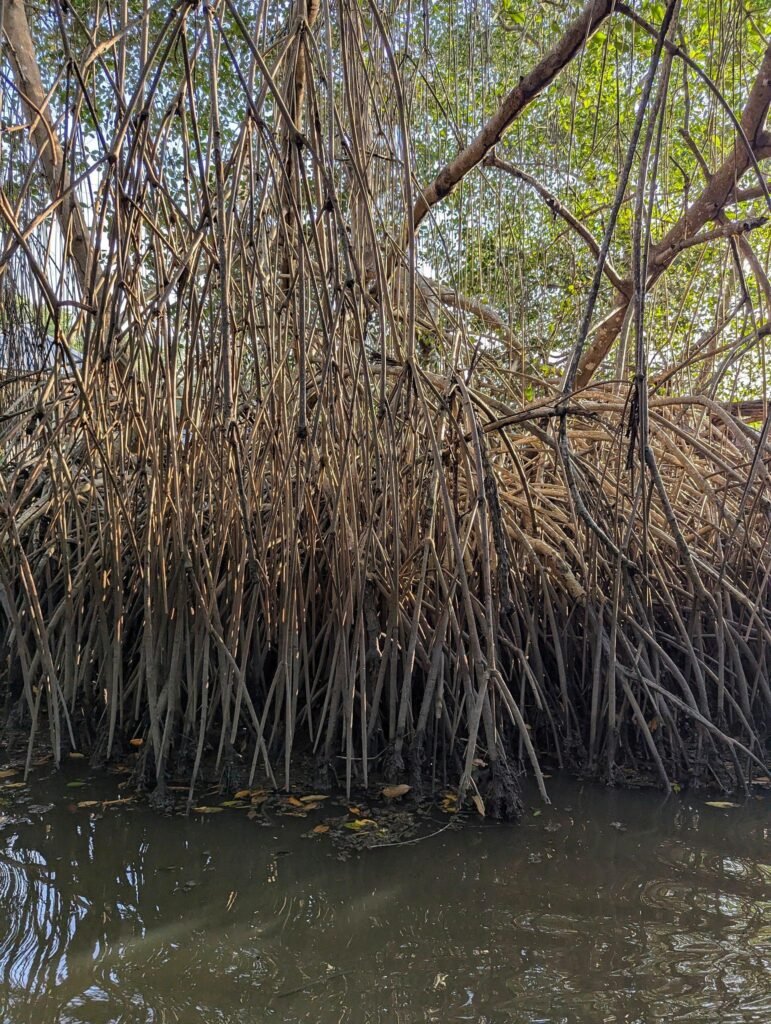
Some properties are located near sensitive environmental areas such as: rivers and watercourses, wetlands or mangroves, forests and coastal zones. In these cases, the Environmental Management Authority may require environmental approval or studies before development.
5. Incorrect or Outdated Survey Plans
Planning authorities often require a recent and accurate survey plan. Problems arise when: the survey is outdated, boundary markers are missing, and the plan does not match the actual land on the ground. A licensed surveyor may need to re-establish the boundaries before approval can proceed.
Practical Tip for Landowners
Before applying to build in Trinidad and Tobago, it is wise to confirm:
✔ the land has legal road access
✔ drainage and flooding risks are understood
✔ zoning allows your intended development
✔ environmental restrictions are checked
✔ your survey plan is accurate and up to date
Addressing these issues early can prevent long delays in the planning process.
💡 One important insight:
Many building projects in Trinidad are delayed not because of construction problems, but because these hidden land issues are discovered after plans have already been prepared.
MORE ARTICLES
-
Approval Process Before Construction in TT

If you’re planning to build in Trinidad and Tobago, understanding the approval process before construction begins is extremely important. Many projects get delayed because owners start designing or building before completing the necessary steps. Below is the typical step-by-step process from buying land to getting permission to build. 1. Verify Ownership and Land Title Before
-
Five Hidden Issues That Can Prevent Approval from Town and Country Planning
Many landowners in Trinidad believe that once they own a parcel of land, they can immediately start building. In reality, several hidden issues can prevent you from getting approval from the Town and Country Planning Division or other authorities. Knowing these problems early can save months of delays and significant expense. 1. No Legal Road
-
Building Regulations in Trinidad and Tobago
Building in Trinidad and Tobago is regulated mainly through planning approvals, zoning rules, building codes, and environmental regulations. Before constructing a house or commercial building, approvals are usually required from agencies such as the Town and Country Planning Division (TCPD) and sometimes the Environmental Management Authority (EMA). Below are the most common restrictions you should
-
Key Components Every Land Purchaser Should Understand About a Cadastral Survey
Understanding a cadastral survey document is important if you’re buying land, building, or verifying boundaries. At first glance these plans can look technical, but once you know what the key parts mean, they become much easier to read. Below is a practical guide to help you interpret a typical cadastral survey. 1. Identify the Property
-
How Can The Same Piece Of Land Have Two Different Boundary Positions
Two professional surveyors can measure the same piece of land and still produce slightly different boundary positions, even when both are technically correct. That surprises many property owners, but it happens because surveying is not just measurement—it is also legal interpretation of historical evidence. Here are the main reasons. 1. Old Surveys Were Not As