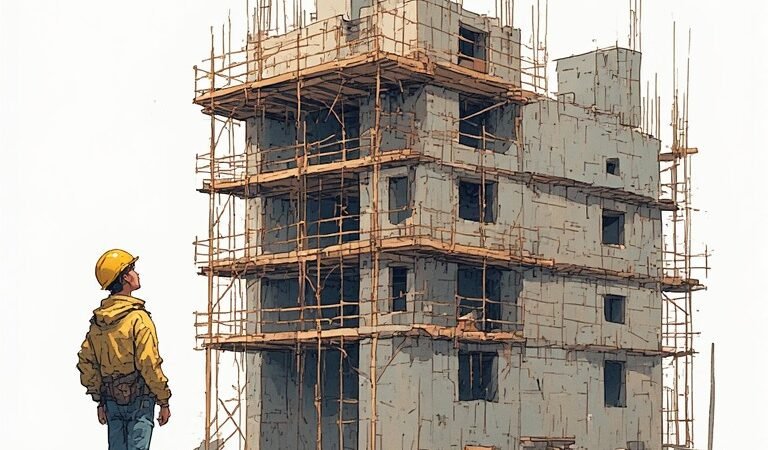
Building in Trinidad and Tobago is regulated mainly through planning approvals, zoning rules, building codes, and environmental regulations. Before constructing a house or commercial building, approvals are usually required from agencies such as the Town and Country Planning Division (TCPD) and sometimes the Environmental Management Authority (EMA).
Below are the most common restrictions you should know.
1. Planning Permission Is Required
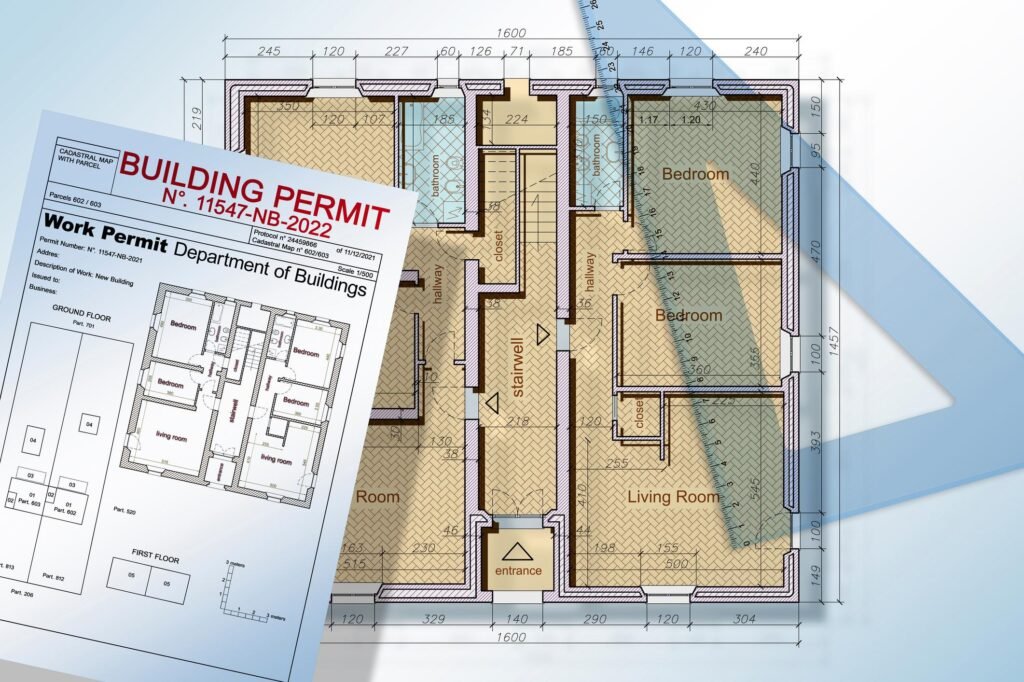
Before constructing, altering, or extending a building you must usually obtain planning permission from the Town and Country Planning Division. Planning approval is typically required for: building a new house; adding extensions; changing land use (e.g., residential to commercial); subdividing land, and developing apartments or commercial buildings. Without approval, construction can be stopped or demolished.
2. Zoning and Land Use Restrictions
Land is divided into zoning categories that determine what can be built. Common zoning types include: residential, commercial, industrial, agricultural and mixed use. For example: agricultural land may restrict housing density, and residential zones may prohibit factories or heavy industry. Zoning rules are enforced through the Town and Country Planning Division.
3. Building Setbacks
Buildings must usually be set back from property boundaries. Typical setback requirements may include: front setback from the road, side setbacks from neighbors, rear setbacks, These distances help ensure: adequate ventilation, privacy between buildings, and safe access for emergency services. Exact distances vary depending on zoning and local planning rules.
4. Height and Density Restrictions
Some areas limit: maximum building height, number of floors, and density of housing. For example: certain residential areas restrict high-rise buildings, and rural areas may limit the number of homes per acre. These rules maintain neighborhood character and manage infrastructure demand.
5. Environmental Restrictions
Some areas require environmental approval from the Environmental Management Authority. Restrictions may apply if land is near: rivers or watercourses, wetlands or mangroves, forests or protected habitats, and coastal zones. Large developments may require an Environmental Impact Assessment (EIA).
6. Infrastructure and Access Requirements
Developments often must provide: legal road access, proper drainage systems, water supply, sewage disposal, and electrical access. Without these, planning permission may not be granted.
7. Structural and Safety Codes
Buildings must follow engineering and safety standards such as: structural stability, fire safety, sanitation systems and hurricane-resistant construction. Local municipal corporations may inspect buildings during construction.
Practical Advice Before Building
Before starting any construction in Trinidad and Tobago:
✔ verify your survey boundaries
✔ check zoning restrictions
✔ obtain planning permission
✔ confirm setback requirements
✔ ensure proper drainage and access
These steps help prevent costly delays or legal problems later.
💡 Important insight
Many building problems arise not from construction itself, but from skipping the planning approval process. Getting proper approvals early can save months of delays and significant legal costs.
MORE ARTICLES
-

Approval Process Before Construction in TT
If you’re planning to build in Trinidad and Tobago, understanding the approval process before construction begins is extremely important. Many projects get delayed because owners start designing or building before completing the necessary steps. Below is the typical step-by-step process from buying land to getting permission to build. 1. Verify Ownership and Land Title Before…
-
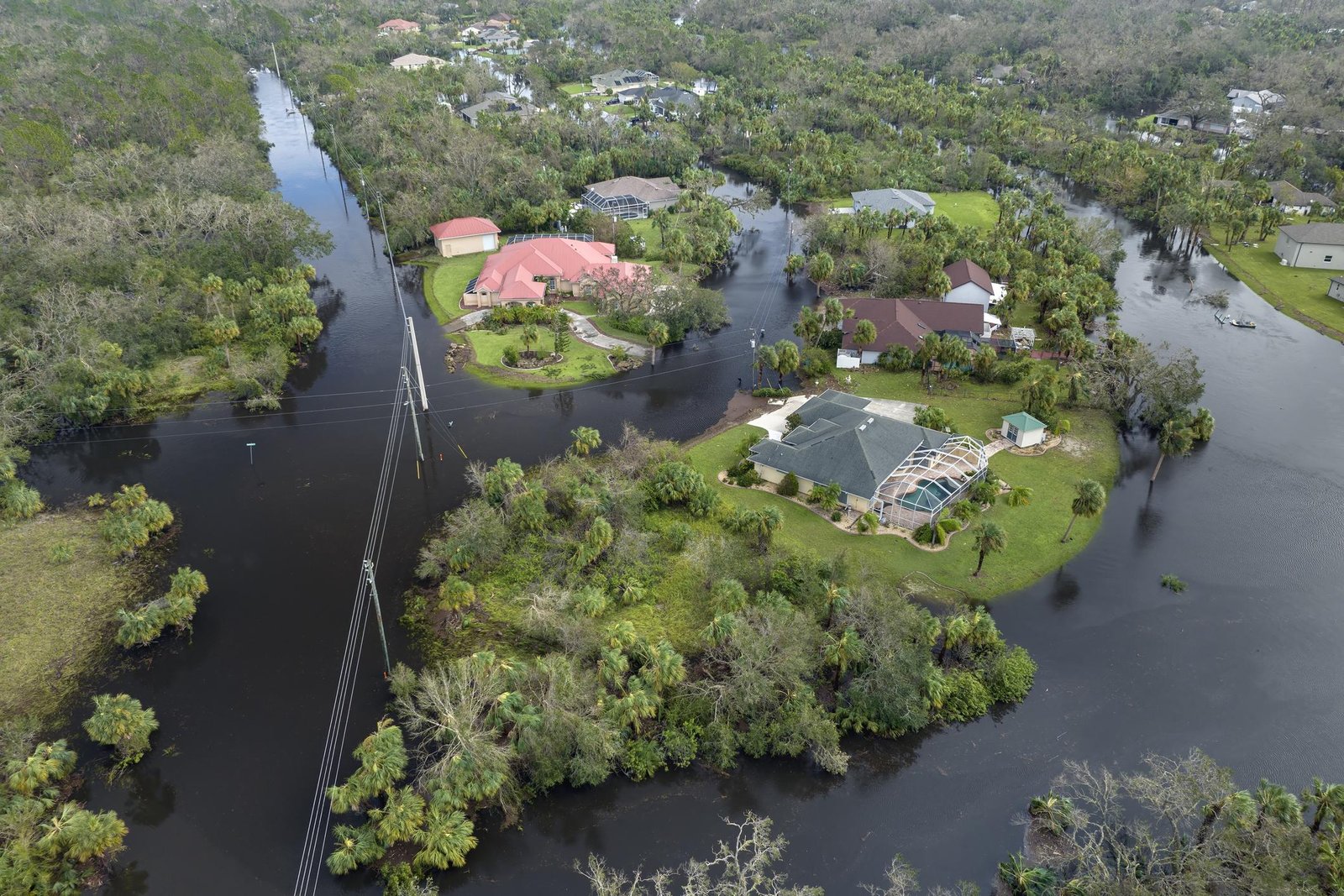
Five Hidden Issues That Can Prevent Approval from Town and Country Planning
Many landowners in Trinidad believe that once they own a parcel of land, they can immediately start building. In reality, several hidden issues can prevent you from getting approval from the Town and Country Planning Division or other authorities. Knowing these problems early can save months of delays and significant expense. 1. No Legal Road…
-
Building Regulations in Trinidad and Tobago
Building in Trinidad and Tobago is regulated mainly through planning approvals, zoning rules, building codes, and environmental regulations. Before constructing a house or commercial building, approvals are usually required from agencies such as the Town and Country Planning Division (TCPD) and sometimes the Environmental Management Authority (EMA). Below are the most common restrictions you should…